Saturday, January 7, 2017

You Make A Difference: Leaders From My Life

Three years ago I graduated college. I was fresh out of student teaching and had no idea where I would be now. I did not have a job lined up right out of graduation, it was December, so finding a full time teaching job wasn't going to work. I knew that I would have to substitute teach, or find a long-term subbing position until the end of the school year. Could I have moved home and found subbing jobs from there? Yes. I had friends who had done that. But, I really wanted to stay where I was. I had roommates and a life created in Minnesota, so traveling back to Wisconsin wasn't ideal. So, I took a risk and stayed, knowing that I would have to stay on top of my responsibilities and work while searching for teaching positions. The following April, I had an interview in Byron for a STEM teaching position. I knew what STEM stood for, but that was about it. My background is in Biology: Life Science Teaching, so I was confident I had the "S" down. Before the interview I spent some time researching what STEM teachers even taught. I had never taken a STEM class growing up, but I thought it sounded kind of cool and new. After accepting the position, I knew it was going to be a new learning challenge I had to take on if I wanted to be successful. But I was ready for the challenge!

There are many leaders that have shaped the person I have become. My parents first. My mom is a teacher and she has shown me the amount of work and passion it takes to be a teacher. Also, the dedication to family. My dad coached my basketball teams growing up and modeled the importance of building relationships with others, and demonstrating how to inspire others. As a teacher, I think about my own schooling, and specific coaches and teachers I looked up to. Mrs. Siegert, who was my high school track coach and engaged me in a new sport that I learned to love. I think I remember her more that other coaches, because of her commitment to her players. She saw who we were as individuals and would do little things to show us she cared. I expect that from family, but it was so genuine and real from her that it really stuck with me. Still today, as I start my first coaching job, I hope to emulate some of her greatness with my students.

As I think back on my journey throughout college, my supervisor at Winona State, Ann Durley, was a huge influence on my life. She is a hall director at one of the residence halls on campus, as well as the director of camps. I started working for her my freshman year as a student assist in the camps office. I never thought about becoming an RA (resident assistant) until she convinced me I might I have a niche for it and that it would be a great experience before teaching. I owe some of my most cherished college experiences and friends to her, for inspiring me to take the risk and apply for that position. As a supervisor, she always demonstrated her trust in her staff, and her ability to be there for us whenever we needed anything was something I will never forget. 

Student teaching was a huge life moment for me. I was assigned a larger high school in Rochester, to teach Biology to 9th graders. My cooperating teacher was a football coach-type character. He taught me many valuable things about leadership. His relationships with students was always number one. We would spend the entire first week of school just on building connections with the kids in his class. He also taught me that it was okay to fail, and more importantly, acknowledge that in front of students. Seeing this empowered students, it made him more human and respected to his class.

When I was reading the book, The Truth About Leadership, the first chapter explained an example of a young girl and her journey to becoming a leader, even at age 9. It reminded me of the Kid President videos. I think it really speaks the truth about leaders. You don't have to be promoted to a leadership position, as the book puts it, "you open yourself to making a difference in the world."


Kouzes, James M., and Barry Z. Posner. "Truth One: You Make A Difference." The Truth about Leadership: The No-fads, Heart-of-the-matter Facts You Need to Know. San Francisco, CA: Jossey-Bass, 2010. 1-15. Print. 

Sunday, November 20, 2016

Final RWL Reflection

Creating this RWL project was an overall success in my book. Having students take ownership and pride in their work, creating new collaborative opportunities, and seeing creativity in my class were all a result of RWL.

My real-world learning (RWL) project was a collaboration between my 8th grade Advanced Robotics class, and Kory Graham’s (@korytellers) 2nd grade Innovations class. For this project, the 8th graders were tasked with designing working mechanical toys for their clients, the 2nd graders. As I described in a previous post, the students in both classes used Padlet as a communication portal to begin the project. My 8th grade students asked questions to the 2nd graders. This question phase is something I would try to improve next time. I think the questions asked by the 8th graders may have been too broad, so some did not get the specifics they wanted/needed to make the best toys possible. After the interview questions, my class started designing custom toys that incorporated simple mechanisms.

At first, it seemed a little challenging with how Kory and I were going to have the students share their finished toys with each other. Padlet, again, was huge help. I also had my students create short videos explaining the toys and mechanisms to the 2nd graders. Kory then recorded her class’s reactions to the toys. But we felt it was important for the 2nd and 8th graders to meet face to face at least at the end of this project. So, although our two class times were different, we were fortunate enough to have the 2nd graders’ other teacher, Mrs. Erdmann OK having the 8th graders and I visit their classroom one morning.

This was what I think the project needed and fit in really well with our timeline. The 2nd graders had already had a chance to evaluate the toys, so when the 8th graders met them, it was a sharing time.

If I were giving advice to someone thinking about doing a project similar to this, I would say go for it! I think the key that really made this a RWL opportunity was that my students got to see how it might be working with others outside of their classroom. And that they have deadlines, that you sometimes don’t get a chance to go back and re-do or extend. Working with real “clients” was a very valuable lesson. In the end, I believe students in both classes will remember the learning experience as a positive one.

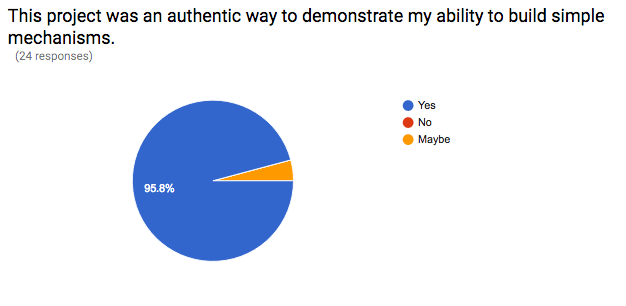
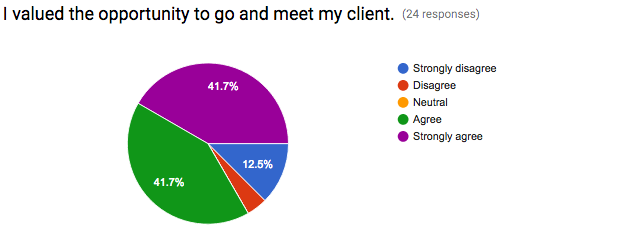
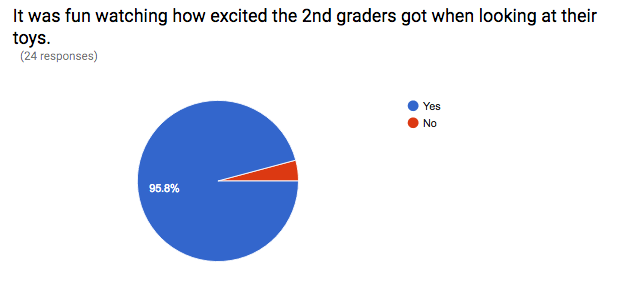
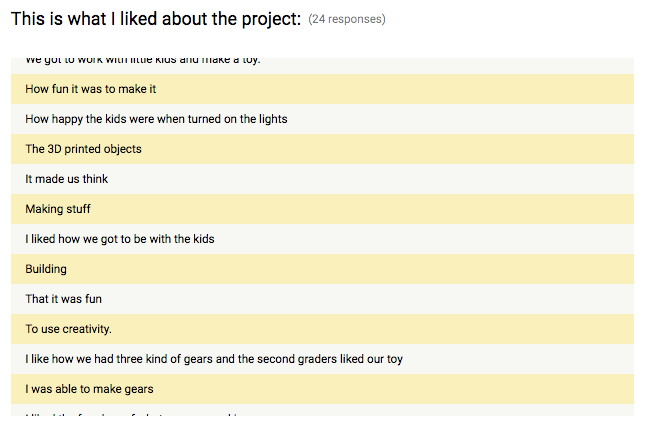
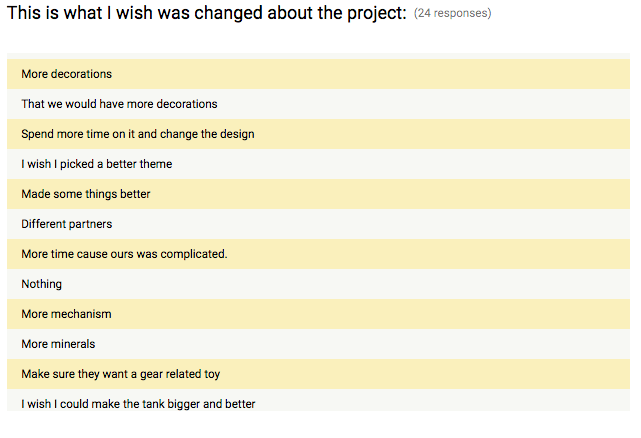
Finally I wanted to share the feedback that I received from my students.


Sunday, October 23, 2016

RWL Project Progress Update

Real world learning is taking a standard or topic in school and having students apply it to an authentic experience. It’s when students can take the content being learned and create something that can be seen in real life. This past month, I have been working on a RWL project with my 8th grade Advanced Robotics class. This is an elective class, so it seemed like the perfect class to spend some time experimenting with something new.

The RWL project my students are working on right now involves mechanisms and the design process. My 8th graders have been paired with 2nd grade clients. Their design challenge is to build a working mechanical toy for their clients, based on their interests. This project involves a lot of collaboration with another teacher in our cohort, Kory Graham (@korytellers). Kory is having her 2nd graders, in their Innovations class at our primary school, learn all about gears and motion on their end.

One of the tools we have been using a lot for this project is Padlet. This has been a pivotal communication portal for the students. We have been able to have the 8th graders ask their interview questions, similar to design thinking empathy interviews. Have the 2nd graders answer these questions, and give updates throughout the project.

This platform is easy to use, my students were simply able to add their own block to the padlet “wall” without signing up. The video attachment is also very easy to use. Pictures of the collaboration are shown below.


The project has been going very well so far. Both sides are very excited to be working together. As far as sharing the final products, our classes do not meet at the same time during the day. So we will have to drop off the toys one day, let the 2nd graders play with the toys for a day, record their feedback, and then pick up the toys to bring them back to the middle school. Feedback will be given to the 8th graders by both myself and the 2nd graders.

Sunday, October 2, 2016

Real World Learning Empathy Reflection

Empathy is an important part of design thinking. Learning about your client before you start designing solutions for them is very valuable. For my Real World Learning project, I interviewed four different students. Two male students, and two female students. One each from 8th grade and 6th grade. I decided to ask for volunteer students in my classes, I received many offers, but tried to go with a variety of student types. Some who were very active in class, and others who were quieter or not as engaged in class.


There are many things educators can learn from empathy interviews with students. I learned a lot about the personal interests of my students. All of them had strong family times, even if they were all from different upbringings. I believe the family/home life of a student strongly affects their learning tendencies in school. Another strong take-away I had was that all four students knew what they wanted to do when they grow up. They all have dream jobs, and great reasons why they want to do those jobs in the future. These passions also lead to how they think school is for them. One student enjoys science more because they want to become a marine biologist when they are older, while another really enjoys Industrial Tech, because they dream of becoming a farmer, like their dad.

Taking time of our busy schedules as teachers to interview students is difficult to think of doing, but afterwards, I feel that I can shape my lessons, projects, and activities in class so much more effectively for my students. Even though they are in middle school, the students are able to explain the ways they learn best. It was very informational to hear that they enjoy hands-on projects. Any time they get to get up and move/build/create in class is one of their favorite times. I can relate to this, even as an adult learner, I am definitely much more engaged when I am being active in my learning.

My process through design thinking is just beginning to happen, and already I feel it will lead to some awesome success in student creation. Now that I know how my students think and feel towards school, I can use this information to drive my Real World Learning project forward onto the next phase - Defining the Solution!

Sunday, July 31, 2016

Genius Hour Project Reflection

This genius hour project was overall a wonderful experience for me. The timeline of the course with reading the book, the Innovator’s Mindset (by George Couros) fit well with the goals of this summer course. Reading the book opened my mind to other ways to empowering students, and how as teachers, we can shape the way we teach our classes and improve the way students are taught in school.

With my genius hour project of creating a genius hour class, I was able to spend the time that I needed to focus on my individual goals. Instead of doing “busy work” with forced reading, I was able to take control of what I needed to accomplish. Researching all about genius hour, connecting with other experts on twitter, and spending the time planning what helped me create a plan for my GH class and complete this summer project.

Obviously, I see the value in letting students do something like this, because I planned an entire elective course focussing on this very topic. Being able to go through the process myself helped a lot because I was able to see firsthand where students might struggle with the amount of freedom given. And if I struggled to focus at some points along the way, I know that my 6th graders definitely might face this same challenge. Knowing this I was able to plan in some extra meeting times with them, and create more structure in terms of their researching and journaling.

Reflection is a large part of learning that I am working more on in my professional life. As I go through the semester with my genius hour class, my goal is to blog along the way, or at least keep track of successes and failures. I love experimenting and know that this first year of elective courses will definitely be an experiment but I am looking forward to the challenges and seeing what solutions can be made! Just knowing all of the awesome student projects that will be created from this class is really exciting for me and I can’t wait for the school year to see what happens!

Wednesday, July 27, 2016

Motivation in the Classroom

Having students who are motivated in the class to learn and complete projects are always a goal of mine and probably many teachers. I’m constantly trying to increase motivation for students and realize that this will never be 100% perfect for all of my students, but it is something that I can strive to work on and continuously improve!

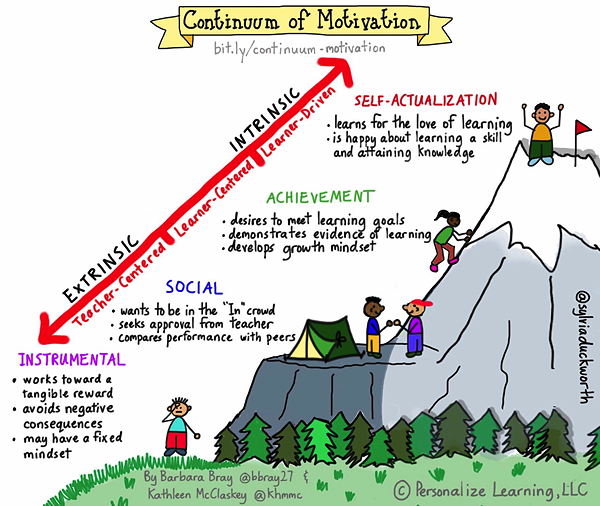
There are many different types of motivation. The graphic below does a great job of visualizing this in the Continuum of Motivation.


For myself personally, as a student, I was most of time motivated socially and achievement based. I wanted to please the teacher, and receive a good grade in the class. As a teacher now, I try to get students to be motivated by extrinsically, but intrinsically.

For middle school students, I think social motivators are very common. Kids want to fit in and be liked by their peers. I have been guilty of also using this in my class as a form of competition for students and classes. Whether it’s a review game that puts the class against one another, it seems to help my students want to study more. When it comes to little things like that I don’t feel it entirely bad or wrong to do. However, if my goal is to have student motivated to learn and grow as individuals because they value that education, I should try and change my mindset on this.

Thursday, July 7, 2016

Genius Hour - Researching Begins!

For my summer grad class, we have a Genius Hour Project which is an opportunity for us to research, plan, and implement any project of our choosing. This fit very well with my goals for next school year, as it has given me the perfect chance to plan out a new Genius Hour course I will start this fall. This GH class will be an elective class for any 6th grade students and will last one semester. The class will meet every other day and will be 45 minutes. Below are my first steps of planning out the project.


Now it’s time for some research! Here is some of the great information I found out so far about Genius Hour classes.

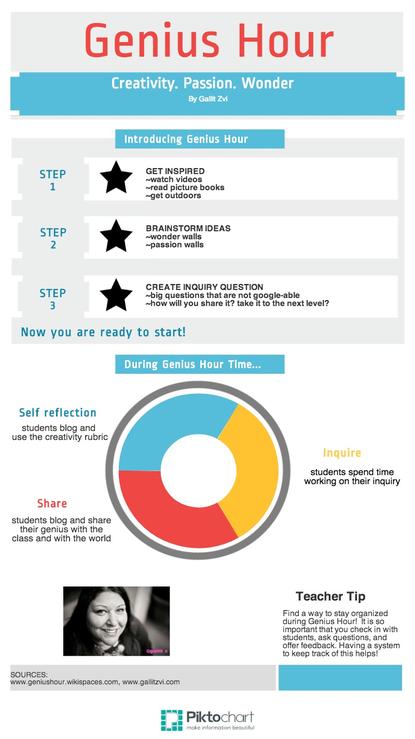
I was lucky enough to connect with some great experts via Twitter like @JoyKirr who shared me a Genius Hour Live Binder (https://t.co/rmH6P9tf8Q) with several different resources from a wide variety of teachers who had created GH classes or projects. The first link I went to was a Standards-Based Genius Hour (http://www.teachergoals.org/genius-hour.html). This was a great blog post that went through how to first spark excitement from students, then have them create their Driving Questions, which is similar to project-based learning. The main idea behind this style Genius Hour was that they took their core subject standards and had students focus their genius hour project around a simplified version of that standard. What is unique with my course, is that I have the freedom to not have any standards, but will incorporate the ISTE standards found here (http://www.iste.org/standards/standards/standards-for-students). One final take away I had from this source was that the teacher did not allow any poster presentations, powerpoints, or any other traditional projects. This is a great way to incorporate some of the digital literacy skills.

Genius Hour inforgraphic.jpg
Another great tip - Stayed organized and create a tracking system of student-teacher feedback!

Other great information I collected from the Genius Hour Live Binder.

  • I love this idea and believe I can make it happen for my first semester class. All submissions are due September 30th for the 2016 fair. This might be a nice first half of the semester project.
  • This site also shared a great resource for students, “Googleable vs Non-Googleable” questions. (Link: http://notosh.com/lab/googleable-vs-non-googleable-questions/)

Image result for genius hour fair how to submit


This was another awesome website that shared many useful tips and their experience with having students focus an entire quarter on one genius hour project. Below were my take-aways:
  • Proposals - students needed to create a pitch under 30 seconds and explain why they wanted to do their GH project and sell it to the audience.
  • End Product - the result of the genius hour needed to be a product of some sort, whether it was a book, a new invention, or a documentary. The teacher felt this would help motivate students to spend time moving from the idea phase to producing phase nicely.
  • Blog - Students blogged their progress weekly.
  • Final Presentation - At end of class, students gave a 5 minute presentation to community, teachers, and parents) with parent permission.
  • Assessment - This was directly taken from the teacher’s blog (Rubric Here).
    • The Proposal (Is the proposal on-time, and does it address the required questions appropriately?)
    • The Blog (Does the post address the required topic? Do you post each week?)
    • The Product (Did you successfully move from idea phase to production phase, and do you have something to show at the end of the year?)
    • Productivity (Are you spending your Genius Hour time by actively and passionately working on your project? If not, we need to quickly adjust the project so you are working on something that is intrinsically motivating. This is less objective, but if I see students not being productive, I will intervene.)
    • Final Presentation (Does your presentation meet all of the required elements? There will be a rubric - ask for it two weeks before you present.)


All of the above are very very helpful for me and I will use them to shape my course. Seeing all of the wonderful examples of excited and empowered students really reinforces the reason behind create this opportunity for students and I’m looking forward to the next phase - planning!